Take a Breath. Here’s What to Do Next.
If you’re reading this from the side of the road, your driveway, or your kitchen table a few hours after a crash, first take a breath. You’re going to be okay.
What you do in the next few minutes, hours, and days really does matter. But you don’t need to figure it out alone, and you don’t need to figure it all out right now. This guide walks you through exactly what to do after a car accident in Ontario, starting at the scene, then the first 24 hours, and then the first week. Plain language. No legal jargon. Just the steps that protect your health and your rights.
Step 1: At the Scene of the Accident
The first few minutes after a crash are about safety and documentation, in that order. Adrenaline will be pumping, so it helps to have a checklist in hand:
Make Sure Everyone Is Safe
Before anything else, check yourself and your passengers for injuries. Then, if you can do so safely, check on anyone in the other vehicle(s). Turn on your hazard lights so other drivers can see you.
Call 911 if required
In Ontario, you must call the police:
- If there are any injuries,
- If you suspect impaired driving or a hit-and-run,
- If combined damage to all vehicles appears to exceed $5,000,
- If a pedestrian or cyclist has been hit, or
- If a commercial motor vehicle larger than 11,000 kilograms, a vehicle transporting dangerous goods, or a public transit vehicle is involved
When in doubt, call. It’s always better to have an officer attend.
Move Vehicles Only If Safe to Do So
If the collision is minor, no one is hurt, and the vehicles are blocking traffic, move them to the shoulder. If anyone is injured or vehicles are badly damaged, leave everything where it is until the police arrive.
Document Everything Before You Leave
This is the part most people forget, and it’s the part that matters most later. Use your phone:
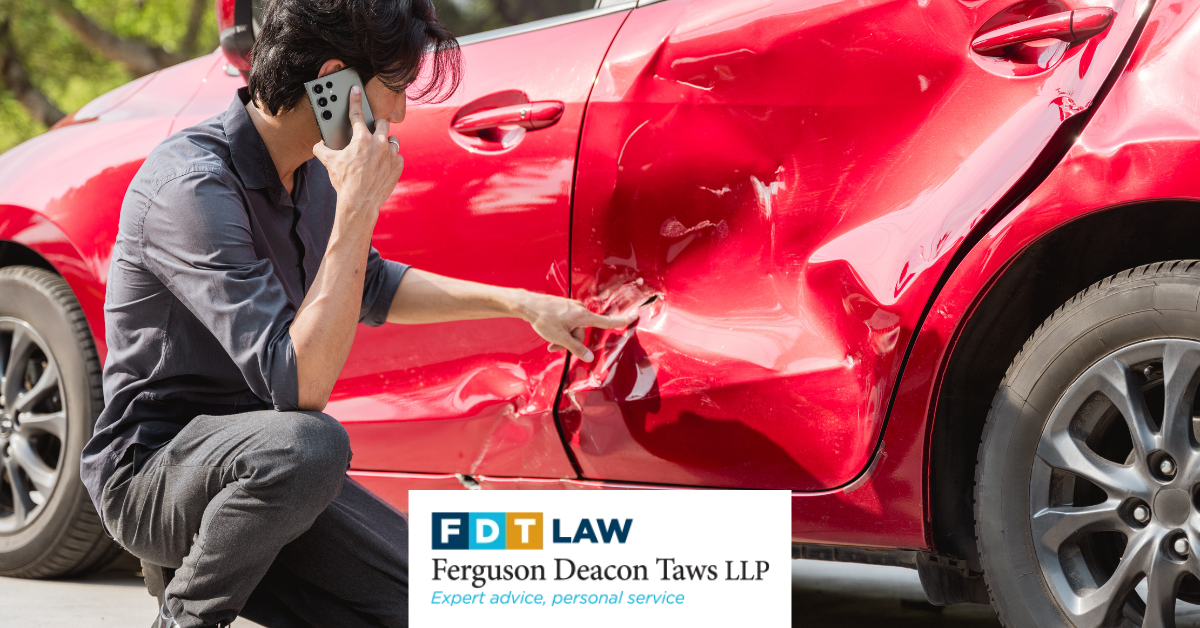
- Photos of all vehicles, from multiple angles, including license plates
- Photos of the damage, the road, traffic signs, skid marks, and weather conditions
- Photos of any visible injuries
- Names and phone numbers of any witnesses
- A short video panning the scene if you can
When exchanging information with the other driver, get:
- Full name, address, and phone number
- Driver’s licence number
- Vehicle make, model, year, and licence plate
- Insurance company name and policy number
TIP: Do not admit fault at the scene. Even saying “I’m sorry” can be misinterpreted later. Stick to the facts when speaking to the other driver and to the police. Fault is a legal and insurance question that gets sorted out later, with proper investigation.
Step 2: Reporting the Accident
In Ontario, you must report a motor vehicle accident to police if there are injuries, criminal activity (impaired driving, hit-and-run), combined damage exceeding $5,000, a pedestrian or cyclist has been hit, or a commercial motor vehicle larger than 11,000 kilograms, a vehicle transporting dangerous goods, or a public transit vehicle is involved.
For everything else, there’s still a process, and timelines matter.
When to Call Police
Call 911 from the scene if there are injuries or the situation looks serious. For minor collisions with no injuries, the OPP or local police may direct you to self-report at a Collision Reporting Centre instead of attending the scene.
The Ontario Collision Reporting Centre
If police tell you to self-report, you have 24 hours to attend a Collision Reporting Centre. Bring your driver’s licence, vehicle ownership, insurance pink slip, and the other driver’s information. Staff there will document the collision, take photos, and give you a report number you’ll need for your insurance claim.
You can find your nearest Collision Reporting Centre on the Ontario Provincial Police website or by calling your local police service’s non-emergency line.
Reporting to Your Insurance Company
Notify your own insurance company as soon as possible, ideally the same day. Most policies require notice within a few days, and Ontario’s Statutory Accident Benefits Schedule (SABS) imposes a 7-day deadline to apply for accident benefits. Miss it, and you may lose access to medical, rehabilitation, and income replacement coverage you’re entitled to, even if the other driver was at fault.
Call your broker or insurer’s claims line. Give them the basics: when, where, who else was involved, and the police report number. You don’t need to give a recorded statement on the first call.
Step 3: Get Medical Attention, Even If You Feel Fine
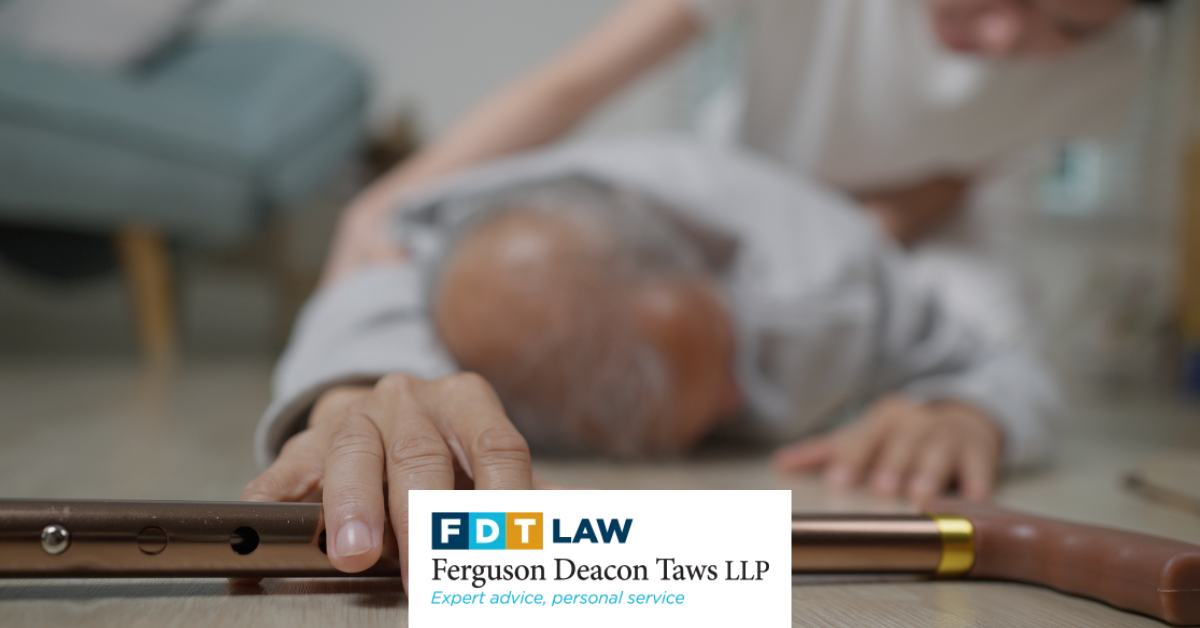
See a doctor within 24 to 72 hours of any car accident, even if you feel fine. Many serious injuries, including whiplash, concussion, and soft-tissue damage, only become obvious days later, after the adrenaline wears off.
Why Adrenaline Hides Injuries
In a crash, your body floods with adrenaline and cortisol. These hormones mask pain and let you function long enough to deal with the immediate emergency. But once they wear off, sometimes the next morning, sometimes 48 hours later, the real picture emerges. Stiffness, headaches, dizziness, back pain, and numbness in your arms or legs.
Common Delayed-Onset Injuries
The injuries most often missed in the first 24 hours include:
- Whiplash: neck and upper back strain that can take days to fully present
- Concussion: Even without losing consciousness, you may have a brain injury
- Post-concussion syndrome: fatigue, memory issues, mood changes
- Soft-tissue injuries: strains, sprains, and bruising deep in the muscle
- Internal injuries: abdominal pain, shortness of breath, bruising
If any of these show up, see a doctor immediately and tell them you were recently in an accident.
Documentation You’ll Need Later
Every visit, every prescription, every treatment becomes part of your file. If you eventually pursue a motor vehicle accident claim, the at-fault driver’s insurer will look closely at the gap between the date of the accident and the date you first sought medical care. The shorter that gap, the harder it is for them to argue your injuries weren’t caused by the crash. Keep:
- Hospital or walk-in clinic discharge papers
- Family doctor’s notes from any follow-up visits
- Photos of bruising or visible injuries (taken over several days)
- Receipts for prescriptions, physiotherapy, massage, and chiropractic care
- A simple note of who you saw, when, and why
Step 4: In the Days That Follow
The first week after an accident is when most of the long-term decisions get made, often without you realizing it. Here’s how to protect yourself.
Start a Recovery Journal
Get a notebook or open a note on your phone. Every day, jot down:
- How you slept
- Pain level (1 to 10) and where it hurts
- What you couldn’t do that you’d normally do (drive the kids, lift groceries, work a full shift)
- Any appointments, calls, or new symptoms
It feels tedious. Do it anyway. Months later, when memory has faded, and an insurer asks you to describe how the accident affected your daily life, this journal becomes the most valuable document you own.
Don’t Sign Anything Without Legal Advice
Within days of the accident, you may get a call from the at-fault driver’s insurance adjuster. They may sound friendly. They may offer a quick settlement, ask for a recorded statement, or send you a release to sign.
Don’t sign anything, and don’t give a recorded statement, without speaking to a lawyer first. Once you sign a release, your case is closed, even if injuries get worse later. A short conversation with a personal injury lawyer is free and protects every option you have.
Keep Every Document and Receipt
Every cost connected to the accident may be recoverable. That includes:
- Medical bills and prescription receipts
- Physiotherapy, massage, chiropractic, and psychological counselling
- Mileage to and from appointments
- Parking, taxis, or rideshare to medical visits
- Lost wages and missed shifts
- Help you had to hire (house cleaning, snow removal, childcare)
Keep a folder (paper or digital) and drop everything in it. You don’t need to organize it now. You just need to not throw anything away.
Step 5: When to Call a Personal Injury Lawyer
You don’t need to know whether you have a case to make a phone call. That’s the lawyer’s job to figure out, for free.
Signs You Should Talk to a Lawyer
- Any injury that affects your ability to work, sleep, or do daily activities
- An insurer pressuring you to settle quickly or sign a release
- Confusion about whether you should accept the at-fault driver’s offer
- Denied or delayed accident benefits from your own insurer
- The other driver was uninsured or fled the scene
How a Free Consultation Works
At FDT Law, the first conversation costs nothing. We listen, we ask questions, and we tell you honestly whether you have a case worth pursuing. If you do, we work on contingency, meaning no fee unless we win. If you don’t, you’ve lost nothing but half an hour.
What FDT Law Can Help With
For more than 50 years across Simcoe County, FDT Law has stood up for Ontario drivers and their families after serious accidents, handling everything from accident benefits applications to disputes with insurers to lawsuits against at-fault drivers. We offer big-firm experience with the personal service of a local practice.
Have You Been in a Car Accident? Talk to FDT Law.
The days after a crash are confusing and exhausting. You’re sore, you’re stressed, and you’re trying to make decisions while the rest of life keeps moving. The earlier you get good legal advice, the more options you keep open.
Your first conversation with FDT Law is free, with no obligation. We work on contingency, no fees unless we win your case. Whether you’d like to meet at our Innisfil office or speak from the comfort of your home, we’re here when you’re ready.
Book a free consultation today. Book a Consultation | Call us at 1-800-563-6348 Serving Innisfil, Barrie, and all of Simcoe County for over 50 years.
Frequently Asked Questions
Do I need to call the police after a minor accident in Ontario?
Police must be called for any accident involving injuries, criminal activity (such as impaired driving or hit-and-run), combined damage over $5,000, a pedestrian or cyclist has been hit, or a commercial motor vehicle larger than 11,000 kilograms, a vehicle transporting dangerous goods, or a public transit vehicle is involved.
For minor damage with no injuries, drivers must report to a Collision Reporting Centre within 24 hours of being told to do so by police.
How long do I have to report a car accident in Ontario?
Ontario requires reporting to a Collision Reporting Centre within 24 hours when police direct you to. Notify your own insurer as soon as possible. Most policies require notice within a few days, and the Statutory Accident Benefits Schedule imposes a 7-day deadline to apply for accident benefits.
What information should I exchange at the scene?
Exchange the other driver’s full name, address, phone number, driver’s licence number, vehicle make, model, year, licence plate, and insurance company name and policy number. Get the same information for any passengers, and collect names and phone numbers for any witnesses.
Should I admit fault at the scene?
No. Even if you think you may have contributed to the accident, do not admit fault at the scene. Stick to the facts when speaking to the police and the other driver. Fault is a legal and insurance question that requires investigation, and statements made in the moment can be misinterpreted later.
Do I need to go to the hospital after a car accident?
Yes. See a doctor within 24 to 72 hours, even if you feel fine. Adrenaline can mask serious injuries, and conditions like whiplash, concussion, and soft-tissue damage often only become obvious days later. Early documentation also strengthens any future insurance claim or lawsuit.
What if the other driver doesn’t have insurance?
Ontario’s Motor Vehicle Accident Claims Fund (MVACF) provides compensation for injuries caused by uninsured or unidentified drivers, including hit-and-run cases. Strict deadlines and reporting requirements apply, so it’s important to contact a personal injury lawyer quickly to protect your eligibility.
Do I need a lawyer after a car accident in Ontario?
Not every accident requires a lawyer, but it’s wise to have a free consultation any time injuries affect your daily life, an insurer pressures you to settle, or accident benefits are denied or delayed. The first conversation is free, and personal injury cases at FDT Law are handled on contingency, with no fee unless we win.
This article is for informational purposes only and does not constitute legal advice. Contact FDT Law for advice specific to your situation.