
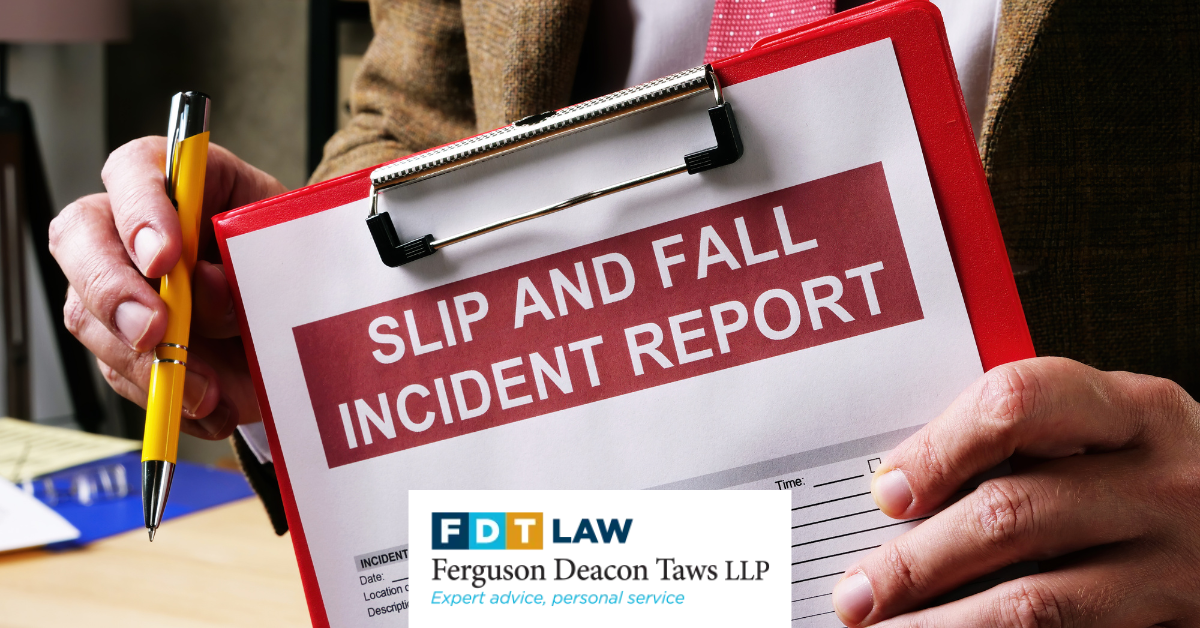
Choosing a Slip and Fall Lawyer Is a Real Decision
Every personal injury firm in Ontario advertises the same things.
Free consultation.
No fees unless we win.
Decades of experience.
After two or three websites, they all start to look the same.
They aren’t the same.
The lawyer you choose affects how your file is handled day-to-day, what your case is worth at settlement, and whether you ever speak directly to the lawyer whose name is on the door. The good news is, once you know what to look for, the differences are easy to see.
This article gives you a framework: the 7 criteria that actually matter when picking a slip and fall lawyer, the 5 questions to ask in any free consultation, and the red flags that should disqualify a firm before you sign anything. By the end, you’ll have what you need to make a confident choice.
The 7 Criteria That Actually Matter
When choosing a slip and fall lawyer in Ontario, prioritize specialization, slip and fall case experience, local court familiarity, Law Society of Ontario standing, communication style, contingency fee transparency, and willingness to go to trial. Skipping any of these is how people end up with the wrong firm.
1. Personal Injury Specialization
A real estate lawyer who “also does” injury work is not a personal injury lawyer. Look for a firm where personal injury is a core practice area, not a sideline. Bonus points if the firm has lawyers with the Law Society of Ontario’s Certified Specialist designation in Civil Litigation, which signals additional vetted experience.
2. Track Record with Slip and Fall, Specifically
Slip and fall cases are not interchangeable with car accidents. They turn on premises liability law, the Occupiers’ Liability Act, weather and surface evidence, and notice requirements that don’t apply to motor vehicle claims. Ask about slip and fall files specifically, not general personal injury volume.
3. Local Court Experience
Slip and fall cases turn on local witnesses, local property, and local courts. A lawyer who knows the Simcoe County bench, the local adjusters, and the local defence firms has a meaningful edge over one who’s flying in from Toronto for the occasional appearance.
4. LSO Standing and Credentials
Every Ontario lawyer is listed on the Law Society of Ontario directory at lso.ca, with their good-standing status and any disciplinary history. Verifying takes 60 seconds and is the first thing you should do for any lawyer you’re considering.
5. Communication Style and Accessibility
Some clients want monthly updates. Some want to be left alone until something needs deciding. Neither is wrong, but a mismatch between you and your lawyer becomes a problem fast. Pay attention to who calls you back, how quickly, and whether you’re talking to a lawyer or a paralegal during the consultation.
6. Contingency Fee Transparency
Contingency fees are standard in Ontario personal injury work, but the details vary. Look for a firm that explains the percentage, what disbursements (expert reports, court fees, medical records) are covered, and what happens if you don’t win. The fee terms must be in a written contingency fee agreement under Ontario’s Solicitors Act.
7. Trial-Ready, Not Just Settlement-Ready
Most slip and fall cases settle without trial. That doesn’t mean trial readiness is irrelevant. Insurers track which firms are willing to litigate and price their offers accordingly. A firm with a real trial record settles higher than one known to take whatever’s offered.
Big-Firm vs. Local-Firm: What Actually Matters
There’s no universal right answer to “big firm or local firm.” The right answer depends on your case, your communication preferences, and whether your file actually benefits from what a large firm offers.
What Big Firms Offer
Larger firms have bigger marketing budgets, more lawyers under one roof, and sometimes specialized teams for catastrophic injury or complex litigation. For genuinely complex cases (catastrophic spinal injuries, multi-party commercial premises claims, cross-border issues), that depth can matter. Some clients also feel reassured by a brand they’ve seen advertised.
What Local Firms Offer
Local firms typically offer direct access to the lawyer working your file, knowledge of the local courts and adjusters, in-person availability when you need it, and the ability to inspect a slip and fall site without a road trip. Intake usually goes straight to a lawyer rather than a call centre, and the same lawyer tends to stay on the file from start to finish.
Why Most Slip and Fall Cases Are Better Served Locally
Slip and fall cases live or die on local facts. The condition of a parking lot in Innisfil, a witness who works at the Midland grocery store, and the local municipality’s winter maintenance records. A lawyer who knows the area, the courts, and the people involved has a head start. Not every case needs a Toronto firm two hours south, and the cost of choosing one for a case that doesn’t need it can show up in slower communication and less personal attention.
5 Questions to Ask in Any Free Consultation
Bring this list to every consultation. Vague answers tell you as much as direct ones.
1. How Many Slip and Fall Cases Have You Handled?
You’re looking for specific experience with premises liability, not a general “we do a lot of injury work” answer. A lawyer who can describe the kinds of slip and fall cases they’ve handled (commercial property, residential, municipal, winter conditions) is giving you real information.
2. Will You Be the Lawyer on My Case?
Some firms run consultations with senior lawyers and then assign the file to junior associates or paralegals. That’s not always bad, but you should know it’s happening. Ask directly: “If I retain your firm, who handles my file day to day, and how often will I speak with you?”
3. What Does Your Contingency Agreement Cover?
Ask for the percentage, how disbursements are handled, what happens if your case doesn’t succeed, and whether HST is calculated on top of the fee or out of the recovery. A reputable firm answers all of this clearly and provides the contingency agreement in writing before you sign.
4. What’s Your Realistic Assessment of My Case?
A lawyer who promises a big number after a 20-minute consultation is either lying or hasn’t read the file. The right answer is usually a range, with caveats about what still needs to be investigated. Vague optimism is a red flag. Honest uncertainty is a green one.
5. How Often Will I Hear From You?
Slip and fall cases take time. Months can go by between meaningful developments. Find out whether the firm sends regular updates, whether you can call with questions, and what response times look like. Set the expectation now so you’re not frustrated later.
What to Bring to Your First Consultation
The more you bring, the more useful the consultation. A lawyer with the documents in hand can give you a real assessment instead of a generic pitch.
- The incident report, if one was filed with the property owner or municipality
- Photos of the scene, the hazard, and the surrounding area
- Photos of your injuries (taken over several days, where possible)
- Medical records, hospital discharge papers, and family doctor notes
- Names and contact information for any witnesses
- Any correspondence with the property owner, municipality, or insurance company
- Any notice you’ve already sent or received (especially important in municipal cases)
- A short written timeline of what happened, in your own words
If you don’t have all of it, bring what you have. The lawyer can advise you on what else to gather.
Red Flags That Should Disqualify a Firm
Some signals are serious enough that they should end the conversation, regardless of how polished the rest of the pitch sounds.
Guarantees of Specific Outcomes
If a lawyer promises you a specific dollar amount or guarantees you’ll win, walk away. Outcome guarantees violate the Law Society of Ontario’s Marketing of Legal Services Rules, and any lawyer willing to make one is either ignorant of the rules or willing to bend them. Either way, not who you want.
Pressure to Sign Same-Day
Reputable firms understand that retaining a lawyer is a real decision. If you’re being pushed to sign a contingency agreement at the consultation, before you’ve had a chance to read it or compare options, that pressure tells you something about how the rest of the relationship will go.
Lack of LSO Standing
Verify every lawyer you’re considering at lso.ca. If the lookup shows the lawyer isn’t licensed, isn’t in good standing, or has a disciplinary history that wasn’t disclosed, that’s a stop sign. The lookup is free, takes a minute, and is the single most basic vetting step.
Vague Fee Disclosure
If a firm won’t put the contingency agreement in writing before you sign, won’t explain how disbursements are handled, or gives different fee answers in different conversations, the fee structure is the problem. Ontario’s Solicitors Act and the LSO’s contingency fee rules require written agreements precisely because vague fee terms harm clients.
Difficulty Reaching Anyone Senior
If you can’t get a senior lawyer on the phone during the evaluation phase, when the firm is most motivated to win your business, you almost certainly won’t get one once you’ve signed. Reachability during the consult is a preview of reachability during the case.
Ready to Talk to a Slip and Fall Lawyer? Start with FDT Law.
Choosing a slip and fall lawyer is a decision worth taking seriously, and there’s no pressure to make it today. Use this article’s framework. Ask the five questions at every consultation you book. Verify every lawyer at lso.ca. Whichever firm you ultimately choose, choose it carefully.
Here’s how FDT Law answers the five questions above:
Our partners have handled hundreds of slip and fall cases across Simcoe County, drawing on decades of premises liability work in the communities we serve. When you retain FDT, the partner you meet at the consultation is the lawyer who handles your file. The partners of the firm directly manage their own cases from intake through resolution, so you are not handed off to a junior associate or paralegal after you sign. Our contingency agreement covers all aspects of your case through to trial, with the fee structure, disbursements, and terms set out clearly in writing before you commit to anything. And you will hear from us on a regular basis as your case progresses, with updates at every meaningful stage rather than radio silence between developments.
If you’d like FDT Law to be on your list, we’d be glad to talk. We offer exactly what this article tells you to look for: personal injury as a core practice, real slip and fall experience, deep familiarity with Simcoe County courts, transparent contingency terms, and direct access to the lawyer handling your case. The consultation is free, with no obligation. We work on contingency, with no fees unless we win. For more than 50 years across Simcoe County, FDT Law has stood up for Ontario residents injured on someone else’s property. Whether you’re closer to our office in Midland or Innisfil, we offer big-firm experience with the personal service of a local practice.
Bring the questions from this article when you call. We’ll answer all of them.
Book a Consultation | Call us at 1-800-563-6348
Frequently Asked Questions
What should I look for in a slip and fall lawyer?
Look for personal injury specialization, slip and fall case experience, knowledge of your local courts, Law Society of Ontario standing, transparent contingency fees, willingness to go to trial, and a communication style that fits how you want to work with your lawyer.
What questions should I ask a slip and fall lawyer?
Ask how many slip and fall cases they’ve handled, whether the lawyer in the consultation is the one who’ll work your file, what their contingency agreement covers, their honest assessment of your case, and how often you’ll receive updates while the case is open.
How do I know if a slip and fall lawyer is good?
Check the lawyer’s standing on the Law Society of Ontario directory, ask for case experience with slip and fall claims specifically (not just general personal injury), evaluate whether they offer a realistic assessment versus inflated promises, and confirm all fee terms in writing before retainer.
Should I hire a local or big-firm slip and fall lawyer?
Most slip and fall cases benefit from local representation because they turn on local witnesses, local property, and local courts. Big firms offer broader resources but often less direct lawyer access. Match the choice to your case complexity and communication preferences.
What is the Law Society of Ontario lookup?
The Law Society of Ontario maintains a public directory of every Ontario lawyer, with no good-standing status, areas of practice, and any disciplinary history. The lookup is free at lso.ca and is the first verification step before retaining any lawyer in Ontario.
Are slip and fall consultations free in Ontario?
Yes. Most Ontario personal injury firms offer free initial consultations with no obligation to retain. Free consultation is standard practice across the industry, and if a firm charges for an initial slip and fall consultation, it’s worth asking why before you book.
What should I bring to a slip and fall consultation?
Bring incident reports, photos of the scene and your injuries, medical records, witness contact information, correspondence with insurers or the property owner, and any notices you’ve sent or received. The more documentation you bring, the more useful the consultation will be.
This article is for informational purposes only and does not constitute legal advice. Contact FDT Law for advice specific to your situation.